Products

Products

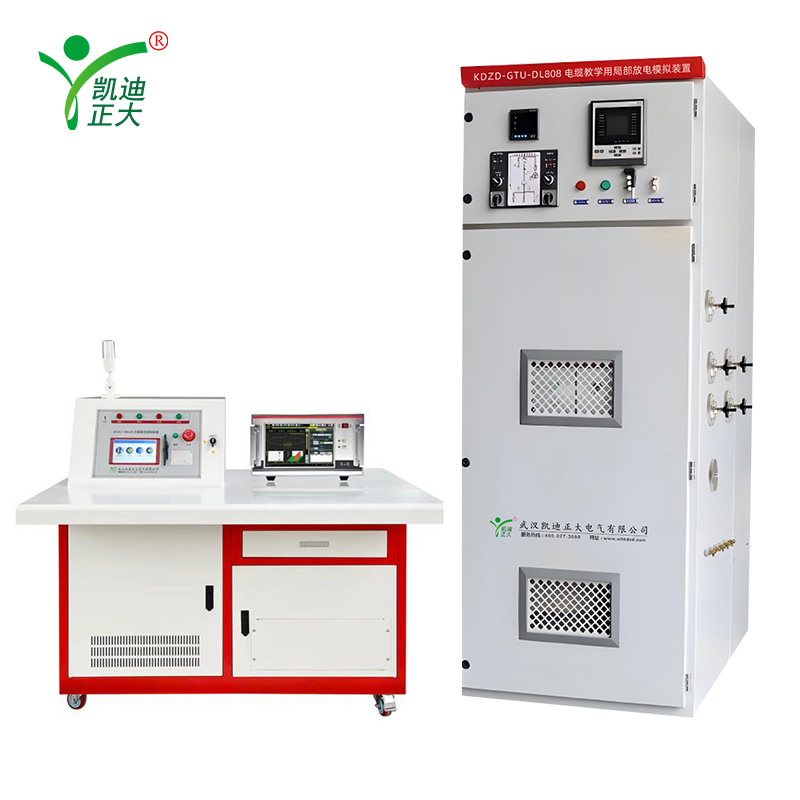
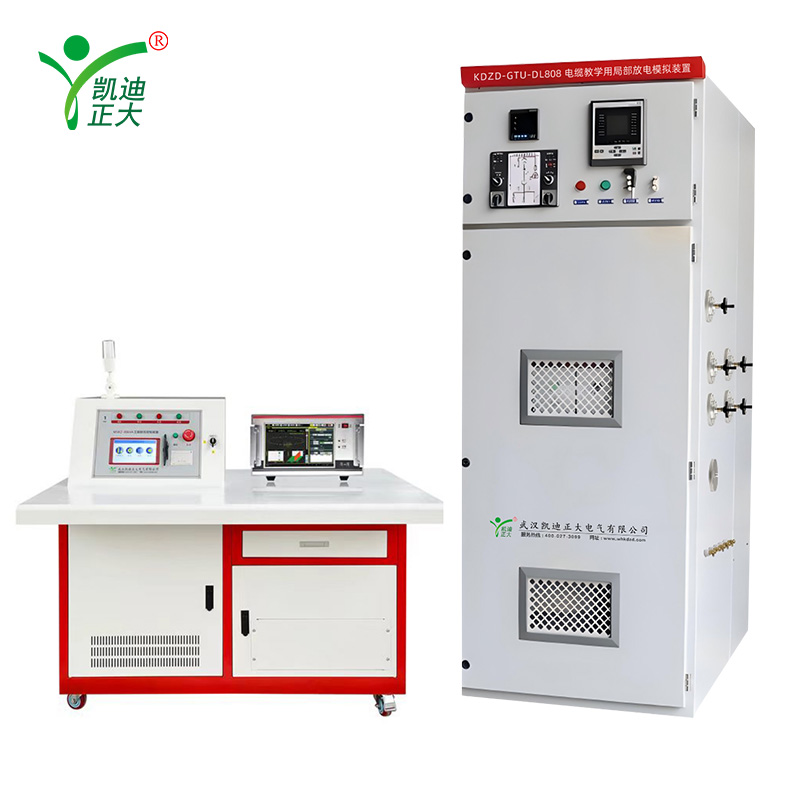
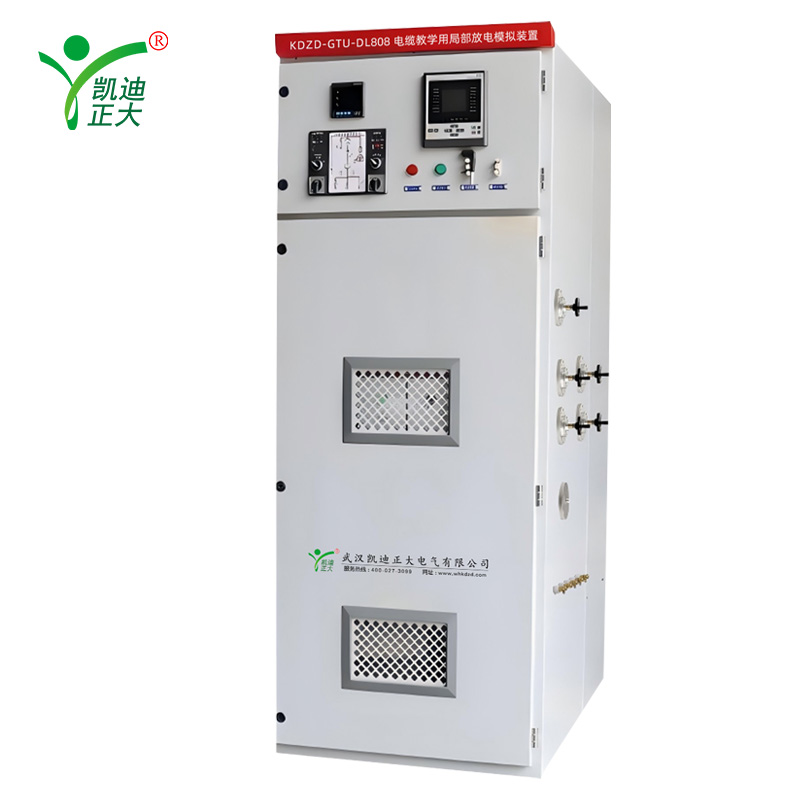
KDZD‑GTU‑DL808 Cable Teaching Partial Discharge Simulation Device

KDZD‑GTU‑DL808 Cable Teaching Partial Discharge Simulation Device

Applications:

This device is applied in university electrical‑engineering laboratories, vocational power‑specialty training rooms, power‑grid enterprise training bases and scientific research laboratories. It serves experimental teaching for courses including High‑Voltage Technology and Condition Monitoring & Diagnosis of Electrical Equipment. It targets college students majoring in electrical engineering, power‑industry trainees and high‑voltage insulation researchers. It supports classroom demonstration, student hands‑on operation, multi‑method partial‑discharge contrast tests, and simulation research on typical defects of high‑voltage cable terminals, intermediate joints and cable bodies.

  • Response within
    24 hours

  • Free warranty
    12 month

  • On-line training
    Support

Profile:

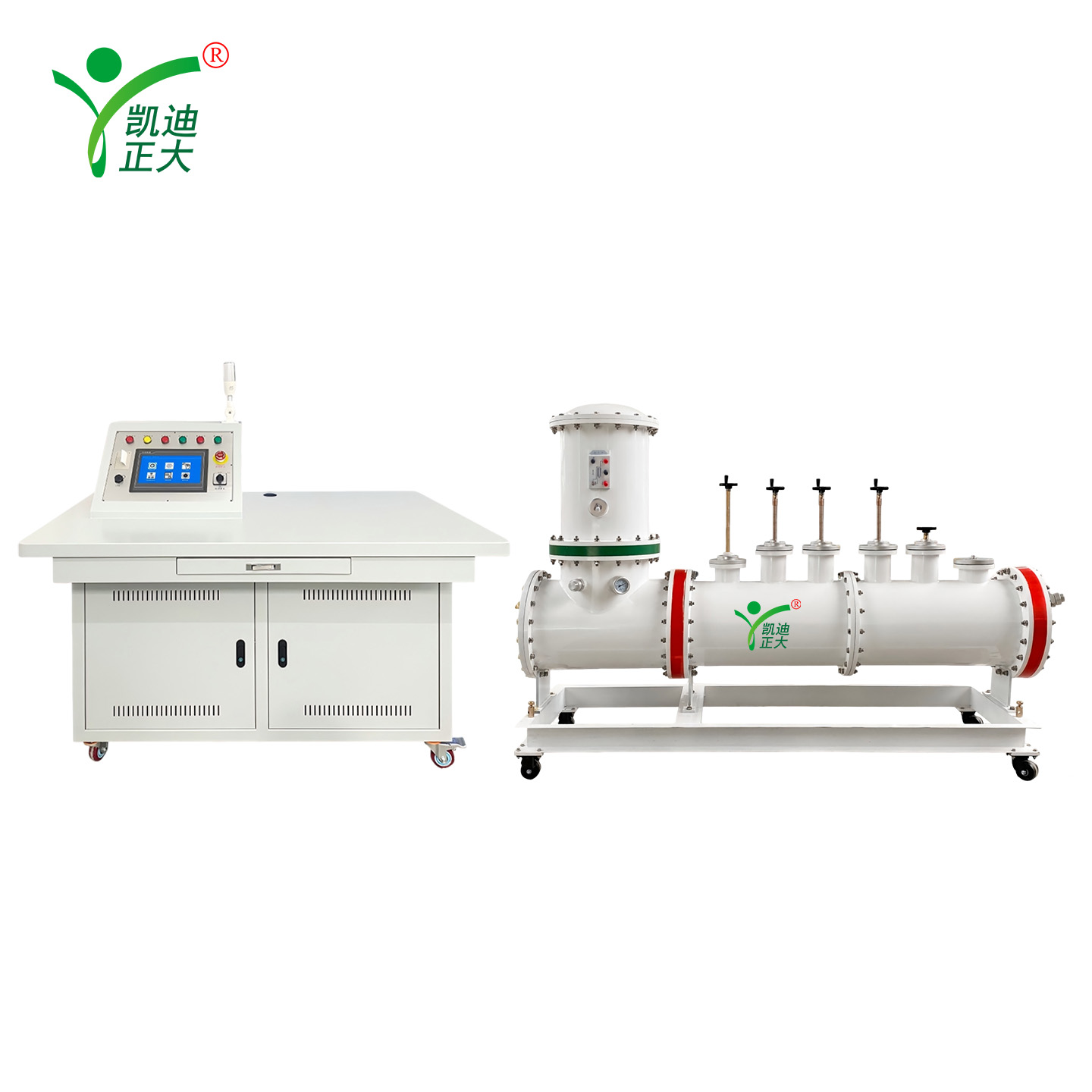
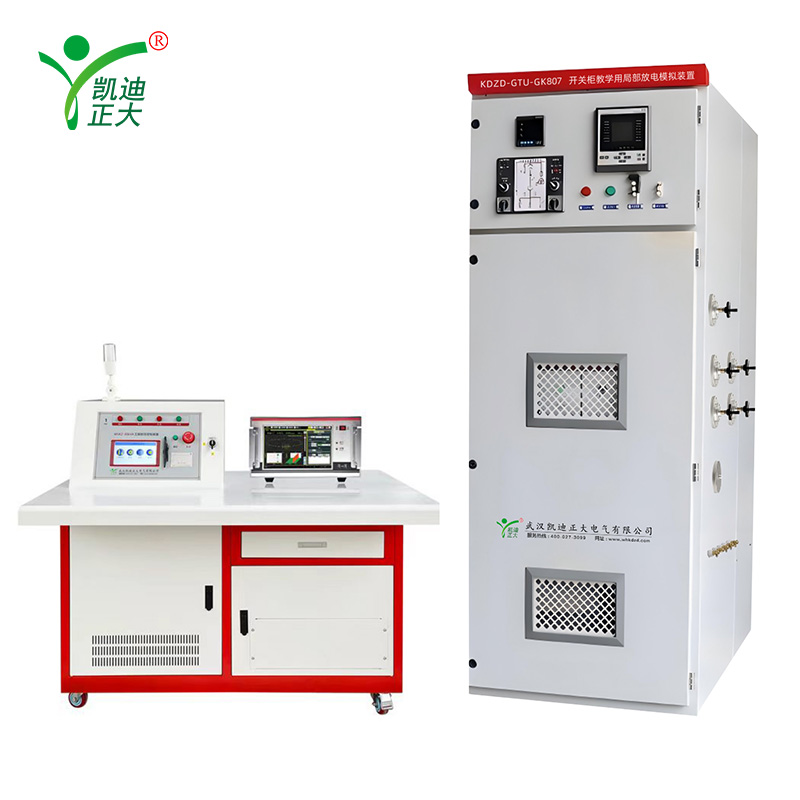
KDZD‑GTU‑DL808 is special‑purpose equipment developed for power‑engineering teaching and scientific research training. It highly simulates various partial‑discharge phenomena occurring on operating high‑voltage cables, reproducing insulation faults caused by external mechanical damage and insulation aging for cable terminals, intermediate joints and cable main bodies. Multiple typical insulation defect discharges including air‑gap, floating, surface and particle discharge can be accurately generated, providing a safe, intuitive and repeatable experimental platform complying with relevant national standards and industry guidelines. It adopts compact integrated cabinet‑type structure with replaceable discharge model electrodes controlled by external handles. Multiple sensor interfaces are reserved for multi‑detection‑method training. The intelligent control panel realizes voltage adjustment and parameter display. The fully‑enclosed metal cabinet isolates high‑voltage components completely. With dust‑proof and rain‑proof performance, this equipment can adapt to various indoor and outdoor teaching environments for repeated experimental use.

Features:

  • Simulates multiple typical partial‑discharge types: tip discharge, floating discharge, air‑gap discharge, particle discharge and surface discharge; discharge types can be selected or combined arbitrarily.
  • Inception voltage, extinction voltage and discharge intensity can be independently adjusted for different defect simulation requirements.
  • Supports synchronous or comparative experiment wiring for pulse‑current, UHF, ultrasonic AE and high‑frequency HF detection technologies, with complete reserved sensor access interfaces.
  • Built‑in partial‑discharge‑free high‑voltage source, system background partial discharge ≤3 pC under rated voltage, reproducing real early‑stage fault signals of field high‑voltage cables.
  • External handle operation for switching discharge models without opening high‑voltage cabin, improving operation convenience.
  • Integrated intelligent control panel realizes power management, voltage regulation, parameter setting and real‑time display of voltage and discharge magnitude.
  • Full‑metal sealed protective cabinet isolates high‑voltage parts to avoid electric‑shock risks for operators.
  • Good environmental adaptability, dust‑proof and rain‑proof structure, suitable for classrooms, laboratories and outdoor training sites.

Parameter:

  • Rated high‑voltage output: 100 kV single‑phase
  • Rated capacity: 5 kVA
  • Input power supply: 220V ±10%, 50 Hz
  • Simulatable discharge types: tip discharge, floating discharge, air‑gap discharge, particle discharge, surface discharge
  • Background partial discharge magnitude of main unit: ≤3 pC under rated voltage
  • Discharge magnitude range for tip discharge: 10 ~ 2000 pC
  • Discharge magnitude range for floating discharge: 100 ~ 20000 pC
  • Discharge magnitude range for air‑gap discharge: 20 ~ 2000 pC
  • Supported detection methods: pulse‑current method, UHF method, ultrasonic AE method, high‑frequency HF method
  • Operating ambient temperature: ‑10℃ ~ 50℃
  • Maximum relative ambient humidity: ≤90%RH
  • Applicable altitude: ≤5500 meters
  • Input voltage adjustment range: 0‑250 V, corresponding to 0‑100 kV high‑voltage output